Using AI to Generate Topical Maps and Internal Linking Strategies in WordPress
A comprehensive guide for SEO managers on leveraging AI tools to build topical authority and optimize internal linking for better search rankings.
Why Topical Authority Matters for Modern SEO
In today’s competitive search landscape, building topical authority has become essential for ranking success. Search engines no longer evaluate pages in isolation—they assess your site’s overall expertise on a subject by analyzing how comprehensively you cover related topics. AI-powered topical map generators revolutionize this process by automatically scanning your WordPress site, identifying content gaps, and organizing your articles into logical topical clusters.
These intelligent tools analyze your existing content library, understand semantic relationships between topics, and create a strategic roadmap for content development. By leveraging natural language processing and machine learning, AI topical map generators help SEO managers build comprehensive content ecosystems that demonstrate true subject matter expertise to both users and search engines.
Key Features of AI Topical Map Generators
Modern AI topical map generators offer powerful capabilities that transform how SEO managers approach content strategy. Tools like WP SEO AI’s topical map generator provide automated solutions that save countless hours of manual analysis while delivering superior results.
- Automatic Content Categorization: AI scans your entire WordPress site and intelligently groups existing articles into thematic clusters based on semantic similarity and keyword relationships.
- Cluster Creation & Expansion: The system identifies content gaps within each topic cluster and suggests new pillar pages and supporting articles to strengthen your topical coverage.
- Draft Article Generation: Generate AI-powered content outlines and full draft articles for identified gaps, complete with optimized headings, keyword integration, and internal linking suggestions.
- Growth Tracking & Analytics: Monitor cluster development over time with visual dashboards showing content coverage, keyword rankings, and topical authority scores for each subject area.
- Competitive Gap Analysis: Compare your topical coverage against competitors to identify strategic opportunities for content expansion and differentiation.
Practical Implementation Steps
Implementing an AI-driven topical mapping strategy in WordPress follows a systematic workflow that ensures comprehensive coverage and sustainable growth. Here’s how to get started:
Create and Refine Clusters
Review the automatically generated clusters and refine them based on your strategic priorities. Merge overlapping topics, split overly broad clusters, and designate pillar pages for each major theme. The AI will suggest optimal cluster structures based on search volume, competition, and semantic relationships, but your editorial judgment ensures alignment with business goals and audience needs.
Generate Draft Articles
For identified content gaps, use the AI generator to create comprehensive article drafts. These drafts include optimized headlines, structured outlines with H2 and H3 subheadings, keyword-rich introductions, and suggested internal links to related cluster content. While AI-generated drafts provide an excellent foundation, always review and enhance them with unique insights, data, and examples that reflect your brand voice and expertise.
Review and Schedule
Establish an editorial workflow where team members review AI-generated content for accuracy, tone, and strategic alignment. Add original research, case studies, and expert quotes to differentiate your content. Create a publishing calendar that prioritizes high-impact cluster gaps and maintains consistent content velocity. Most successful SEO teams publish 2-4 cluster articles per week to build momentum.
Monitor Growth
Track cluster performance using integrated analytics dashboards. Monitor keyword rankings for pillar and supporting pages, measure organic traffic growth by cluster, and analyze engagement metrics to identify high-performing content patterns. Use these insights to refine your topical strategy, double down on successful clusters, and pivot away from underperforming topics. Regular monthly reviews ensure your content strategy remains aligned with evolving search trends and user intent.
Internal Linking for Generative Engine Optimization
As AI-powered search experiences like ChatGPT, Bard, and Bing Chat reshape how users discover information, internal linking has become critical for generative engine optimization (GEO). According to research from LSEO, strategic internal linking helps AI-driven crawlers understand how your pages relate to each other, significantly improving content discoverability and contributing to crucial E-E-A-T (Experience, Expertise, Authoritativeness, Trustworthiness) signals.
When generative AI systems crawl your site, they analyze link structures to understand topical relationships and content hierarchy. A well-architected internal linking strategy signals to these systems which pages are most authoritative on specific topics and how subtopics connect to broader themes. This semantic understanding directly influences whether your content gets cited in AI-generated responses and featured in conversational search results.
Building an Effective Internal Linking Structure
Creating a logical internal linking architecture requires both strategic planning and tactical execution. Here are proven best practices for SEO managers:
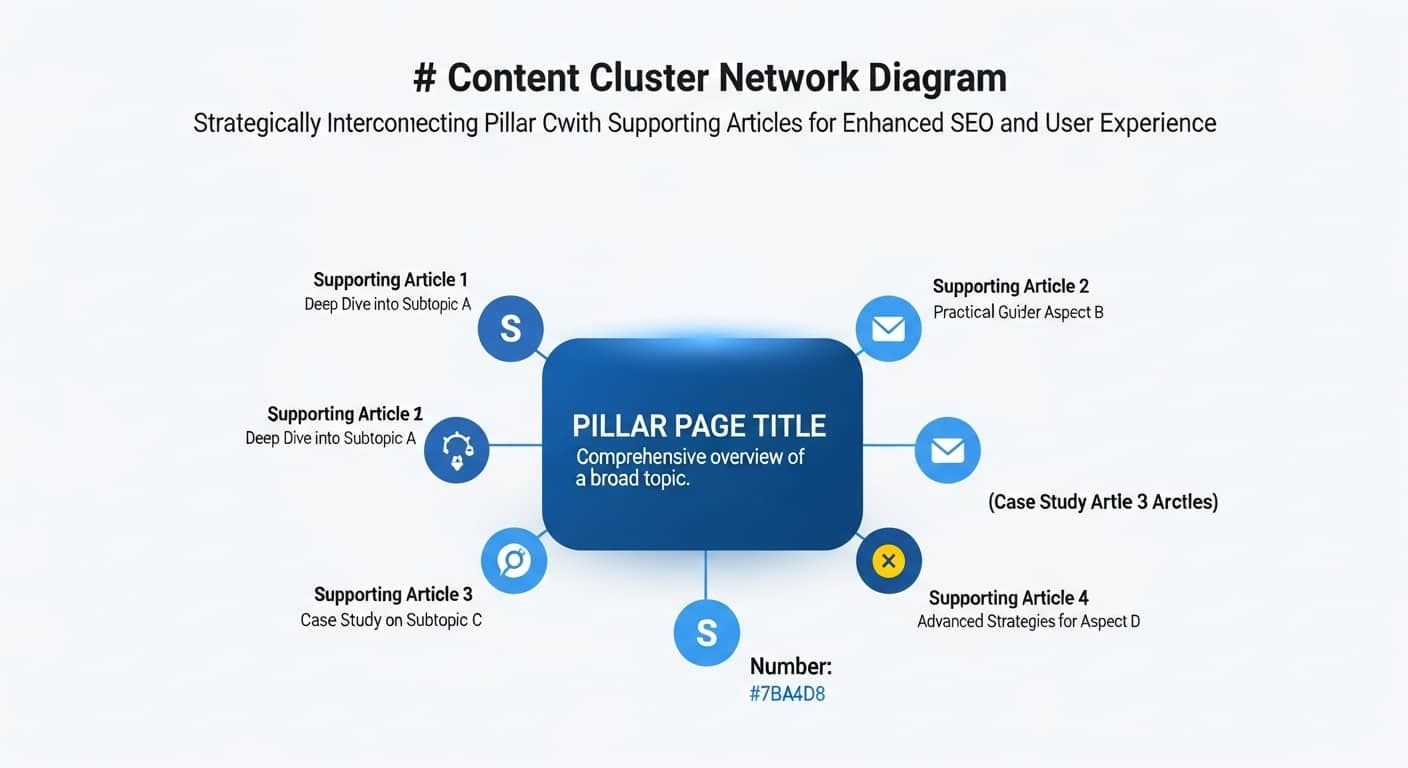
- Establish Hub-and-Spoke Architecture: Link all cluster articles to their pillar page and vice versa. This creates clear topical hierarchies that both users and AI crawlers can easily navigate.
- Use Descriptive Anchor Text: Avoid generic phrases like “click here” or “read more.” Instead, use keyword-rich, contextually relevant anchor text that clearly describes the linked content’s topic.
- Leverage AI Link Suggestions: Modern WordPress plugins can analyze your content and automatically suggest relevant internal linking opportunities based on semantic similarity and keyword relationships.
- Maintain Link Relevance: Only link to pages that genuinely add value for readers. Forced or irrelevant links dilute topical authority and create poor user experiences.
- Balance Link Distribution: Ensure important pillar pages receive more internal links than supporting articles, but avoid over-optimization. Aim for 2-5 contextual internal links per 1,000 words.
- Update Links Regularly: As you publish new content, revisit older articles to add links to fresh resources. This keeps your link graph current and maximizes the SEO value of new content.
Ready to Build Topical Authority with AI?
Transform your WordPress content strategy with AI-powered topical mapping and intelligent internal linking. Start building comprehensive content clusters that dominate search results and win in the age of generative AI.