Exploring the balance between automation and human creativity, privacy concerns, bias mitigation, and the future of AI integration in the WordPress ecosystem.
Artificial intelligence is transforming WordPress development at an unprecedented pace. From automated content generation to intelligent design suggestions, AI tools promise to revolutionize how we build and manage websites. However, this technological leap forward brings critical ethical considerations that the WordPress community must address thoughtfully and proactively.
As WordPress powers over 43% of all websites globally, the decisions we make about AI integration will have far-reaching implications for millions of users, developers, and content creators. This article explores the ethical dimensions of AI in WordPress development, examining the delicate balance between automation and creativity, privacy concerns, bias mitigation strategies, and the future trajectory of responsible AI implementation.
Balancing Automation and Creativity
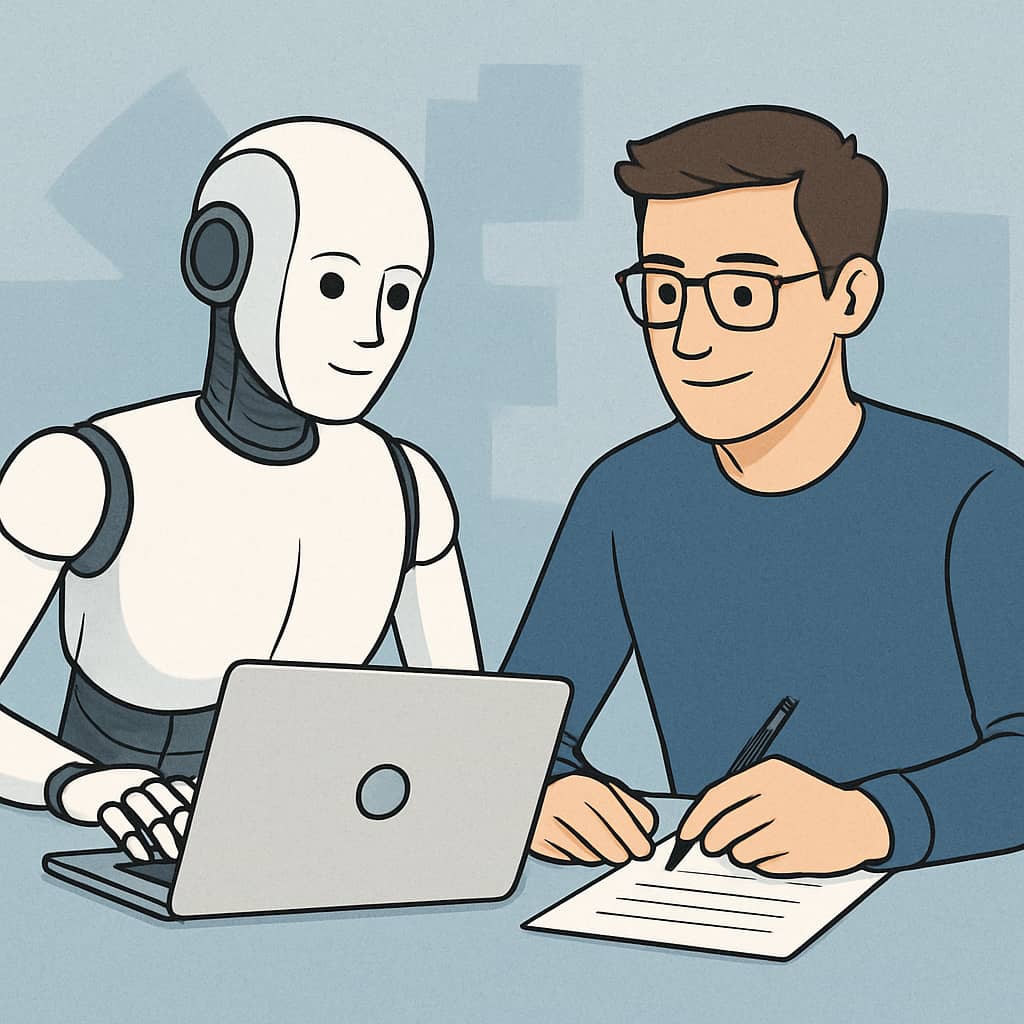
While AI tools can dramatically accelerate WordPress development workflows, they cannot replace the nuanced judgment, cultural awareness, and creative vision that human developers bring to projects. AI excels at pattern recognition and repetitive tasks—generating boilerplate code, optimizing images, or suggesting layout variations—but struggles with understanding context, brand voice, and the subtle emotional resonance that makes content truly engaging.
The WordPress community has taken a measured approach to AI integration. Core contributors have expressed that AI functionality belongs primarily in plugins rather than WordPress core, at least until AI models can run locally on the same server. This philosophy preserves WordPress’s commitment to accessibility and ensures that users aren’t forced to rely on external AI services that may compromise privacy or require expensive subscriptions.
This approach acknowledges that AI should augment human creativity, not supplant it. Developers should view AI as a collaborative tool—one that handles tedious tasks so they can focus on strategic thinking, user experience design, and crafting authentic narratives. The most successful WordPress projects will emerge from partnerships between human insight and machine efficiency, where each complements the other’s strengths.
Privacy and Consent: The Foundation of Trust
AI-powered personalization and analytics can significantly enhance user experiences, but they also raise serious privacy concerns. When WordPress sites collect user data to train AI models or personalize content, transparency becomes paramount. Users must understand what data is being collected, how it’s being used, and who has access to it.
Emerging regulations like GDPR in Europe and CCPA in California have established strict requirements for data collection and user consent. WordPress developers implementing AI features must ensure compliance with these regulations, which means obtaining explicit consent before collecting personal data, providing clear opt-out mechanisms, and implementing robust data security measures.
Fortunately, compliance can be partially automated. WordPress plugins can integrate consent management platforms that automatically handle cookie notices, privacy policy updates, and data subject access requests. However, automation doesn’t absolve developers of responsibility—they must still understand the legal landscape and design systems that respect user privacy by default, not as an afterthought.
The principle of data minimization should guide AI implementations in WordPress. Collect only the data absolutely necessary for functionality, store it securely, and delete it when no longer needed. This approach not only protects users but also reduces liability and builds trust—a critical asset in an era of increasing privacy awareness.
AI Bias and Quality Control
AI models learn from training data, and if that data contains biases—whether related to gender, race, culture, or socioeconomic status—those biases will be reflected in the AI’s outputs. This presents a significant challenge for WordPress developers using AI to generate content, suggest designs, or personalize user experiences.
For example, an AI trained predominantly on Western content might generate culturally inappropriate suggestions for a global audience. An image generation model might perpetuate stereotypes if its training data lacked diversity. A content recommendation algorithm might inadvertently create filter bubbles that reinforce existing prejudices rather than exposing users to diverse perspectives.
Mitigating these risks requires a multi-layered approach. First, developers should critically evaluate the AI tools they integrate, researching how models were trained and what steps providers have taken to address bias. Second, human oversight remains essential—AI-generated content should always be reviewed by editors who can catch problematic outputs before publication.
Third, incorporating diverse voices into the development process helps identify blind spots. Teams that include members from different backgrounds, cultures, and perspectives are better equipped to recognize when AI outputs miss the mark. Finally, establishing clear editorial guidelines and quality standards ensures consistency and accountability, even when AI assists with content creation.
WordPress developers should also implement feedback mechanisms that allow users to report problematic AI-generated content. This creates a continuous improvement loop where real-world usage informs ongoing refinements to AI implementations.
Future Outlook: Shaping Responsible AI in WordPress
The WordPress ecosystem is actively evolving its relationship with AI. Automattic’s integration of Jetpack AI and acquisition of WPAI signal a commitment to bringing sophisticated AI capabilities to WordPress users. These developments promise to democratize access to powerful tools that were previously available only to large enterprises with substantial technical resources.
However, the path forward must be guided by community input and ethical considerations. WordPress’s open-source nature and collaborative culture provide a unique opportunity to develop AI features transparently, with input from diverse stakeholders. Developers, designers, content creators, and end users all have valuable perspectives on how AI should be integrated into the platform.
Community discussions about AI in WordPress should address several key questions: How can we ensure AI features remain accessible to users with limited technical expertise? What safeguards should be built into AI tools to prevent misuse? How can we balance innovation with stability and security? What role should WordPress core play versus plugins in delivering AI functionality?
The goal should be to create AI implementations that enhance WordPress’s core values: democratizing publishing, empowering creators, and maintaining an open, accessible platform. This means prioritizing features that help small businesses compete with larger competitors, enabling non-technical users to create professional websites, and ensuring that AI tools are affordable and transparent.
As local AI models become more practical, running directly on servers without external API calls, WordPress may eventually integrate AI more deeply into core functionality. Until then, the plugin ecosystem will continue to be the primary vehicle for AI innovation, allowing for experimentation and iteration without compromising the stability of the core platform.
Conclusion: A Collaborative Path Forward
The integration of AI into WordPress development presents both tremendous opportunities and significant responsibilities. By maintaining a thoughtful balance between automation and human creativity, prioritizing user privacy and consent, actively mitigating bias, and engaging in open community dialogue, the WordPress ecosystem can harness AI’s potential while upholding ethical standards.
The future of WordPress will be shaped by the choices we make today. As developers, designers, and community members, we have the opportunity—and obligation—to ensure that AI serves as a force for democratization and empowerment, not exclusion or exploitation. By participating in community discussions, contributing to open-source AI projects, and holding ourselves to high ethical standards, we can build a WordPress ecosystem where AI enhances human creativity rather than replacing it.