
From personalized recommendations to predictive analytics, artificial intelligence is revolutionizing how brands connect with customers and drive results.
The Power of Personalization
Imagine opening Spotify and finding a playlist that perfectly matches your mood, or Netflix suggesting a movie you didn’t know you needed to watch. That’s AI at work—analyzing your behavior, preferences, and patterns to deliver experiences that feel tailor-made.
Marketing has evolved from broad campaigns to hyper-targeted strategies. AI enables brands to understand individual customers at scale, predicting what they want before they even search for it. This shift from generic messaging to personalized engagement is transforming customer relationships and driving unprecedented ROI.
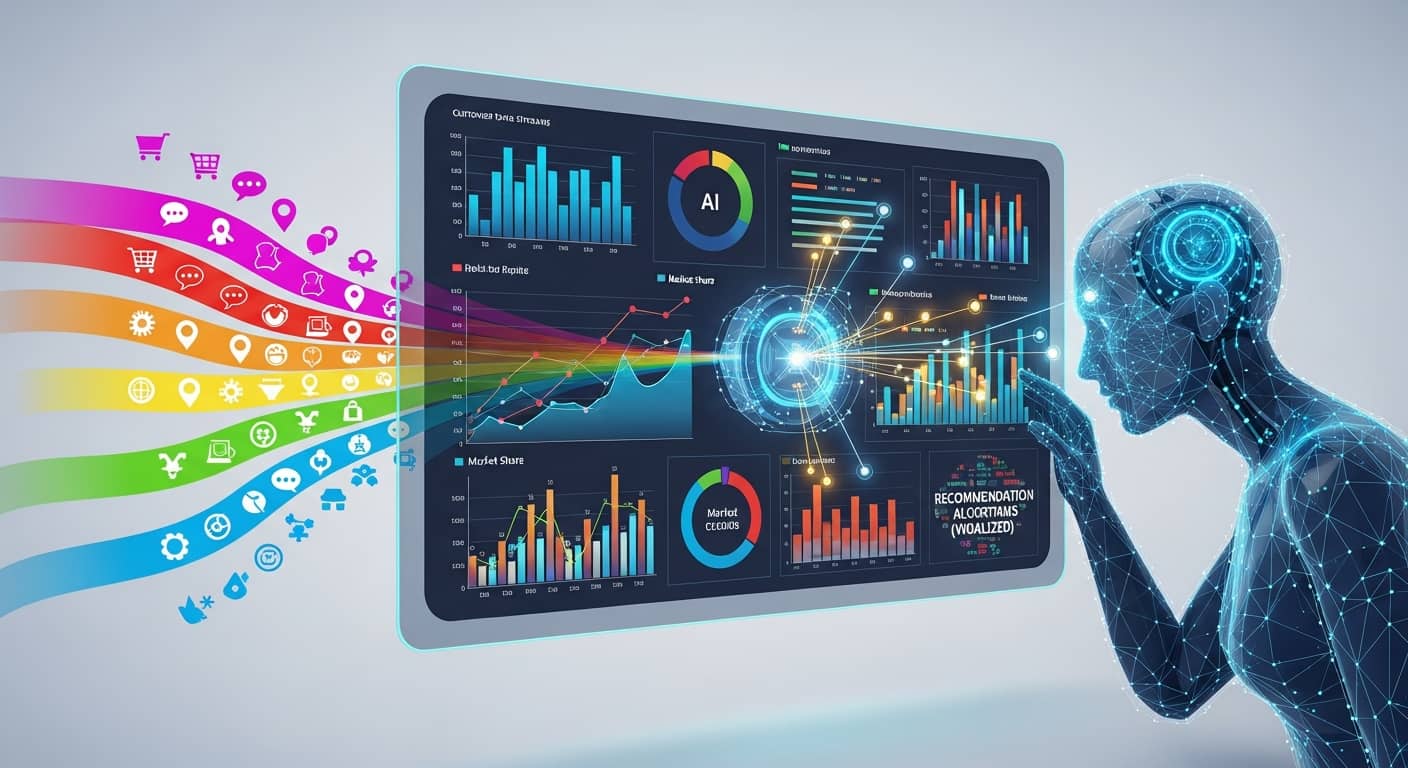
The Current State of AI in Marketing
AI is no longer a futuristic concept—it’s actively reshaping marketing operations today.
Automated Content Creation
AI tools generate blog posts, social media captions, email campaigns, and ad copy in seconds. Marketers can produce high-quality content at scale, maintaining brand voice while freeing up time for strategic thinking and creative direction.
Intelligent Data Analysis
Machine learning algorithms process vast datasets to uncover patterns humans might miss. AI identifies customer segments, predicts churn, optimizes pricing strategies, and reveals which channels drive the highest conversion rates.
Campaign Management
AI automates bid management, A/B testing, and budget allocation across platforms. It continuously optimizes campaigns in real-time, adjusting targeting parameters and creative elements to maximize performance without constant manual oversight.
Emerging AI Trends Reshaping Marketing
AI Marketing Adoption by Function
Predictive analytics uses historical data and machine learning to forecast customer behavior. Brands can anticipate which products a customer will buy next, when they’re likely to churn, or which marketing message will resonate most. This foresight enables proactive engagement rather than reactive responses.
Recommendation engines power the suggestions you see on Amazon, YouTube, and countless e-commerce sites. By analyzing browsing history, purchase patterns, and similar user behaviors, AI serves up products and content that drive engagement and sales. These systems learn continuously, becoming more accurate with every interaction.
Real-time personalization takes this further by adapting website content, email messaging, and offers on the fly based on current context. If a customer abandons their cart, AI can trigger a personalized discount. If they’re browsing winter coats, the homepage dynamically showcases relevant products. This level of responsiveness makes customers feel valued and understood, dramatically improving conversion rates.
Opportunities & Challenges
Key Benefits
- Efficiency: Automate repetitive tasks and scale operations without proportional cost increases.
- Creativity: AI handles data-heavy work, freeing marketers for strategic and creative initiatives.
- ROI: Precise targeting and optimization drive higher conversion rates and lower acquisition costs.
- Insights: Uncover patterns and opportunities hidden in massive datasets.
Critical Challenges
- Skills Gap: Many marketers lack technical expertise to implement and manage AI tools effectively.
- Data Privacy: Collecting and using customer data requires strict compliance with regulations like GDPR and CCPA.
- Ethical Concerns: Bias in algorithms, transparency in decision-making, and responsible AI use demand careful oversight.
- Integration: Connecting AI tools with existing systems can be complex and resource-intensive.